Breakthroughs Begin Within
The Subconscious Academy Blog
By Ryan Nichols
Key idea: Emotional anchors are learned associations between cues and responses. Repeated pairings can strengthen an association, but the effect is not guaranteed or instantaneous, and emotions always have more than one possible cause.
A song comes on that you haven’t heard in years,...
By Ryan Nichols
Think about where you’d like to be six months from now.
Maybe there’s something you want to have finished. Something you want to be doing differently. A habit you want to break. A part of your life you’re tired of talking about changing.
Now look in the opposite direction.
What have ...
By Ryan Nichols
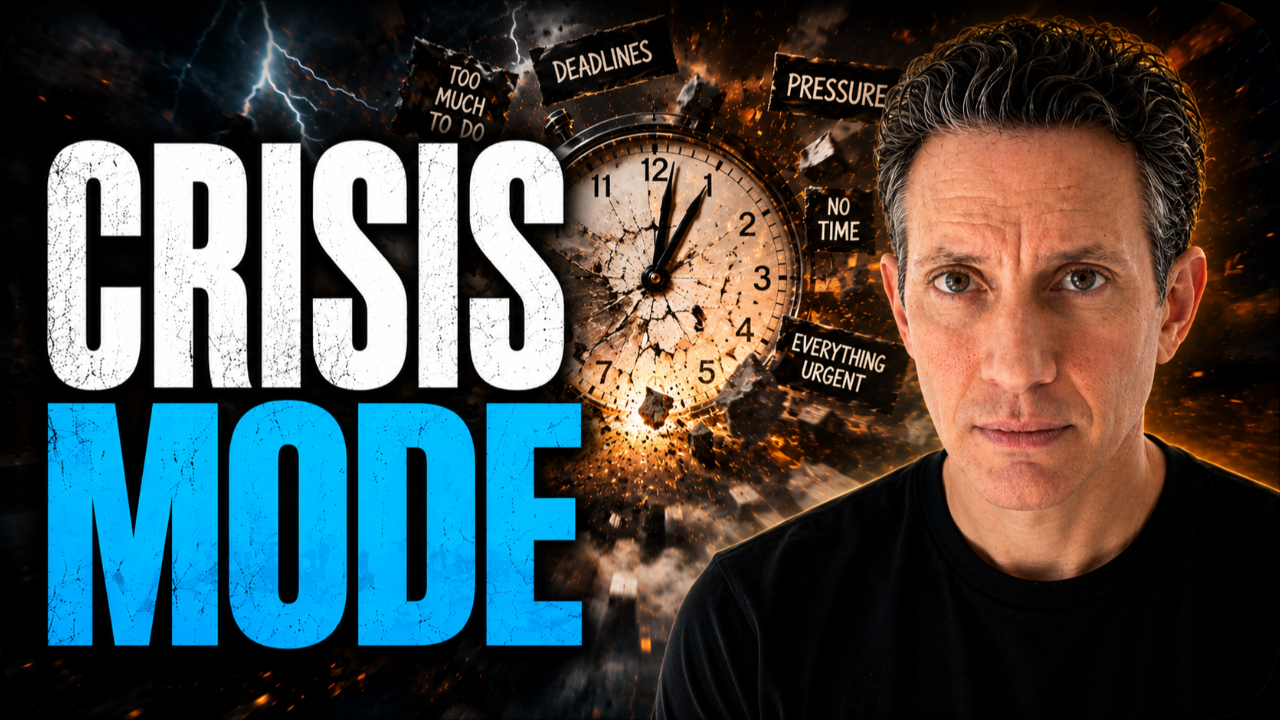
Key idea: A deadline can reduce ambiguity and increase urgency, but chronic last-minute action is often better understood as procrastination and short-term mood regulation than as a special ability to “work best under pressure.”
There’s a peculiar transformation that happens when you...
By Ryan Nichols
Self-help can feel powerful.
You read the book, listen to the podcast, watch the video, attend the seminar, and something opens. A pattern finally makes sense. You feel hopeful again. You see a version of yourself that seems clearer, stronger, more grounded.
For a moment, it can feel...
By Ryan Nichols
Key idea: Consistency usually becomes easier through repetition in stable contexts, not by waiting for motivation. New behaviors often feel effortful before cue-response associations and automaticity have had time to develop.
Most people don’t abandon the thing they care about in one...
By Ryan Nichols
Key idea: Frequent digital stimulation can fragment attention in the short term and strengthen habits of checking and task-switching. Evidence about permanent or long-term “rewiring,” however, is much less certain than popular explanations often imply.
There’s a small shift that has ...
By Ryan Nichols
Key idea: Confidence rarely has to arrive before action. Beliefs are updated through evidence and experience, and mental imagery can influence emotion and expectation, but vividly imagining success is not the same as producing real-world proof.
One of the most common assumptions in p...
By Ryan Nichols
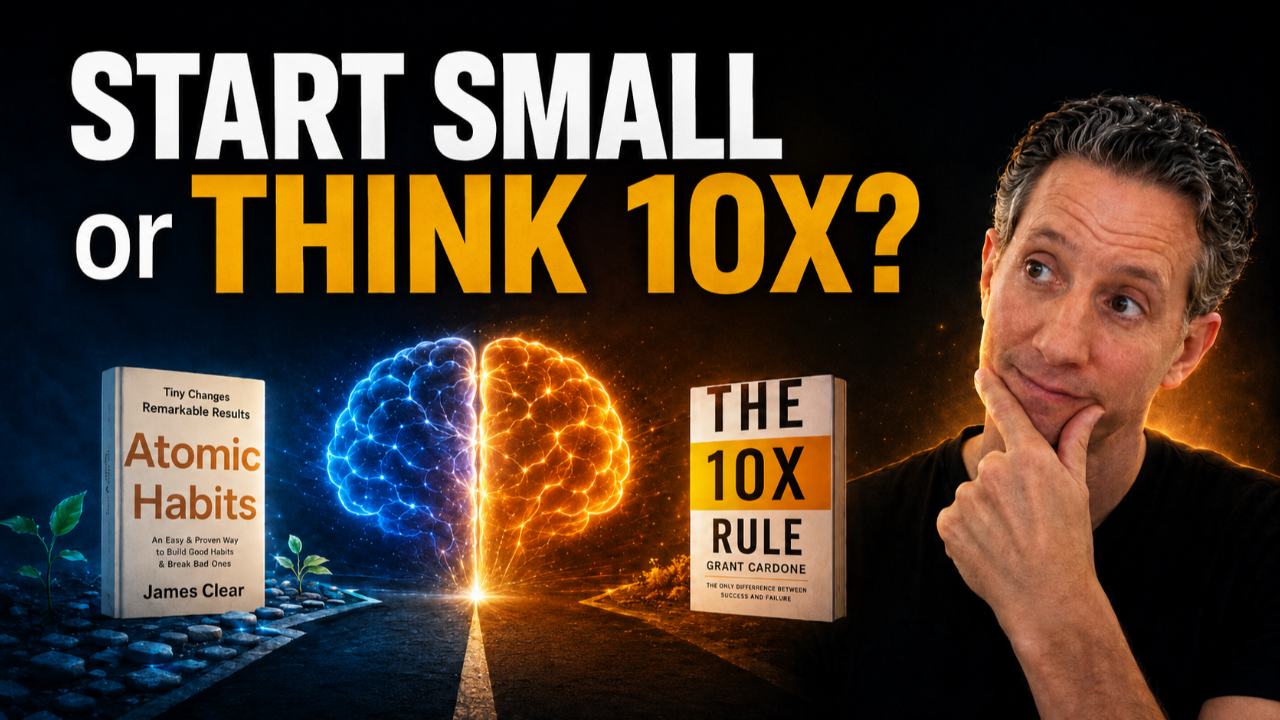
Key idea: “Start small” and “think big” solve different problems. Ambitious goals can create direction and motivation, while small repeatable actions help turn intention into behavior. You do not need to choose one philosophy for every stage of change.
Should you make the goal easi...
By Ryan Nichols
Key idea: New Year’s resolutions usually fail for more than one reason. A goal is not a behavior, motivation fluctuates, and old habits remain strongly tied to familiar cues. Lasting change is more likely when a clear goal is translated into repeatable actions that are practiced in ...
By Ryan Nichols
Key idea: Distraction is not simply a “dopamine addiction.” Reward learning, habit, task aversiveness, emotion regulation, and the design of digital environments can all influence why attention gets pulled away from what matters.
Most people assume distraction is a discipline problem...
By Ryan Nichols
You finish the book, close the cover, and feel unstoppable.
For a moment it feels like your life just clicked into place. The author’s words light you up, your notebook is full of plans, and you’re ready to reinvent yourself.
Then a week later, the feeling is gone.
You don’t wake up ...

By Ryan Nichols
Key idea: Entrepreneurs often know what matters and still avoid doing it. That gap is not automatically laziness or a lack of strategy. Procrastination, uncertainty, fear of evaluation, habits, and short-term emotional relief can all pull attention toward safer work instead of the w...