Why You’re Not Building the Business You Say You Want

By Ryan Nichols
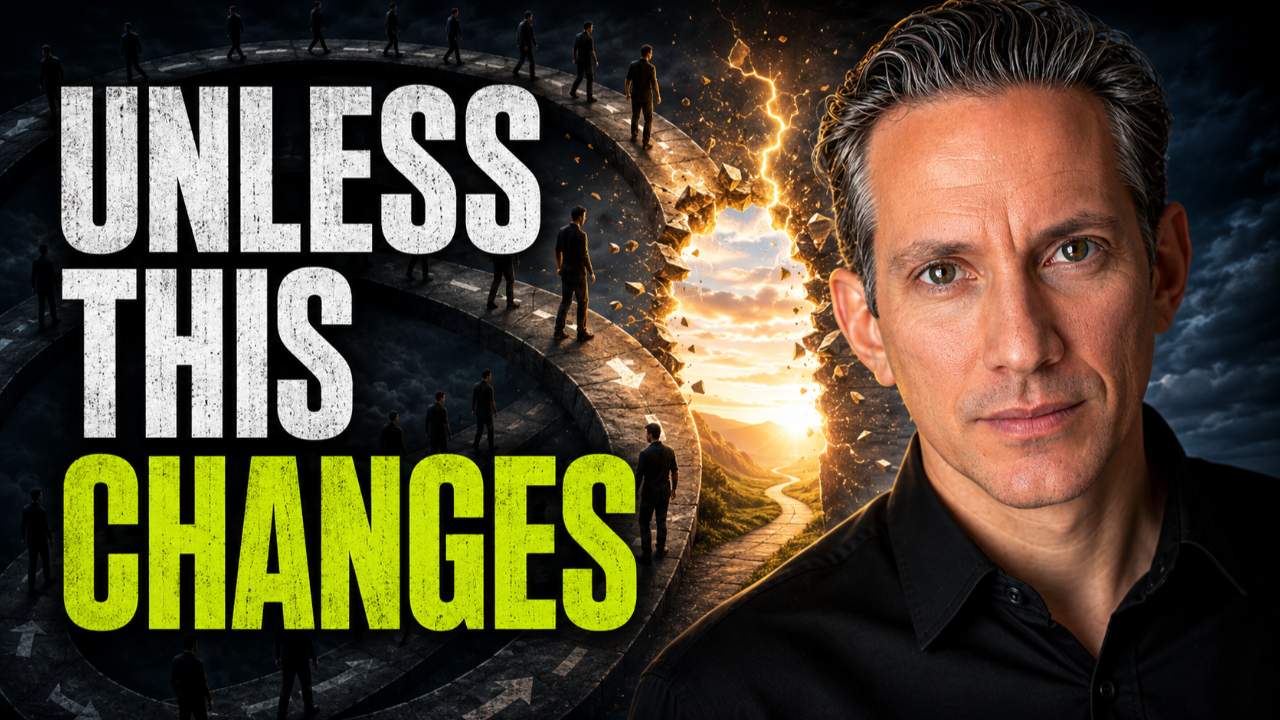
Key idea: Entrepreneurs often know what matters and still avoid doing it. That gap is not automatically laziness or a lack of strategy. Procrastination, uncertainty, fear of evaluation, habits, and short-term emotional relief can all pull attention toward safer work instead of the work that actually moves the business forward.
You can say you want to grow a business and still spend most of your week doing work that keeps growth comfortably out of reach.
The calendar tells the truth.
You tweak the website instead of making the offer. You research another platform instead of publishing. You reorganize your notes instead of reaching out to the person who could become a client.
The activity is real. The progress is not always.
Why Smart Entrepreneurs Still Avoid the Work That Matters
Procrastination is often misunderstood as poor discipline. Research increasingly treats it as a self-regulation problem in which avoiding an uncomfortable task can provide immediate emotional relief, even when the delay creates a larger cost later.
That matters in entrepreneurship because the highest-value tasks are often emotionally loaded.
A sales call includes the possibility of rejection. Publishing creates visibility. Raising your price invites judgment. Launching removes the safety of preparation and replaces it with real feedback.
So the easier task wins, not because you do not care, but because it costs less emotionally in the moment.
Busywork Can Become Productive Procrastination
The most deceptive form of avoidance looks useful.
You answer emails. Fix formatting. Research software. Improve the logo. Rework the funnel. Watch another training.
All of those things can be legitimate work.
The question is whether they are the most important work right now.
If low-stakes tasks repeatedly appear just when a meaningful task becomes uncomfortable, you may be using productivity to regulate emotion.
That is what makes productive procrastination so hard to notice. It lets you feel responsible while postponing exposure.
Where Identity Fits In
Identity matters, but not because there is one hidden “subconscious identity” controlling the business.
Identity is partly the story you tell yourself about the kind of person you are, and partly the pattern of behavior you repeatedly practice.
If you have spent years being cautious, private, agreeable, or highly prepared, suddenly becoming more visible and decisive can feel unfamiliar. That unfamiliarity does not prove the move is wrong. It simply means the new behavior has less history behind it.
Each time you make the ask, publish the post, quote the price, or follow through on a decision, you create new evidence about what you can do.
What to Do Instead of Pushing Harder
1. Identify the task that actually moves the business.
Ask: If I could complete only one meaningful action today, which one would make everything else easier or more valuable?
2. Notice the emotion attached to it.
Is the task boring, ambiguous, vulnerable, socially risky, or hard to do perfectly? Naming the real friction is more useful than calling yourself lazy.
3. Make the first action smaller.
Not as a way to stay small, but as a way to reduce the activation energy required to begin. Send one email. Draft the first paragraph. Record the first take.
4. Let action create evidence.
You do not need to feel fully confident before you move. Confidence often grows after you have accumulated proof that you can handle the situation.
The Takeaway
The business you say you want is built from repeated behavior, not intention alone.
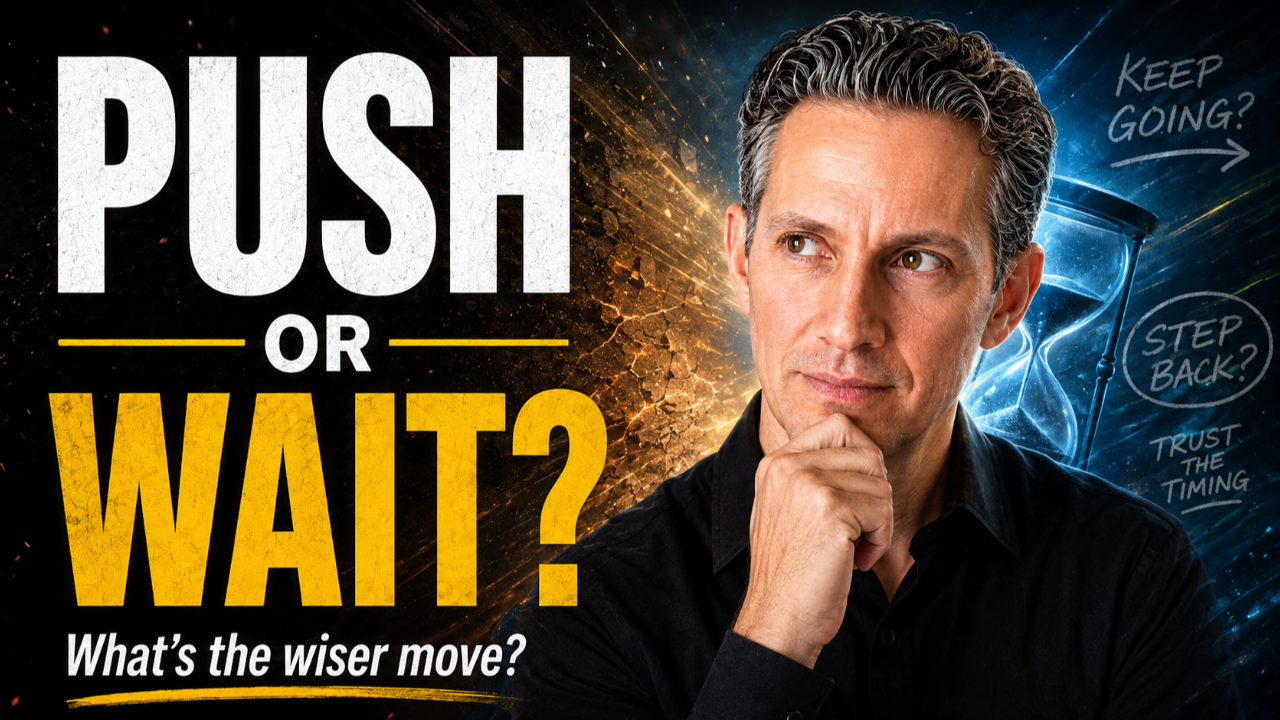
If your calendar keeps filling with activity that protects you from the work that matters, the answer may not be another strategy. It may be learning to recognize avoidance sooner and act while some uncertainty is still present.
If you want a guided way to explore the automatic patterns behind hesitation and follow-through, the free Subconscious Starter Kit includes foundational lessons and the Sanctuary Session guided hypnosis experience.
Sources & Further Reading
- Steel (2007), The Nature of Procrastination: A Meta-Analytic and Theoretical Review
- Sirois (2023), Procrastination and Stress: Why Context Matters
- Intolerance of uncertainty: neural and psychophysiological correlates
If you want to explore this idea further, you may also find The Hidden Reason You’re Always Busy but Still Stuck and Why More Strategy Isn’t the Answer (And the App Designed to Help You Finally Follow Through) useful.
Start with the Free Starter Kit to better understand the patterns behind your resistance, build steadier internal alignment, and access our free live training.