Breakthroughs Begin Within
The Subconscious Academy Blog

By Ryan Nichols
A piece of knowledge can become so familiar that you stop noticing what it makes possible.
You use it to recognize a problem, ask a useful question, or avoid a mistake. Yet when you consider sharing it, you hesitate. Surely everyone knows that already.
For coaches, consultants, cr...
By Ryan Nichols
Key idea: Emotional anchors are learned associations between cues and responses. Repeated pairings can strengthen an association, but the effect is not guaranteed or instantaneous, and emotions always have more than one possible cause.
A song comes on that you haven’t heard in years,...

By Ryan Nichols
Key idea: Self-criticism can feel motivating, but attacking yourself is not required for accountability or growth. Research on self-compassion interventions suggests that people can reduce self-criticism while still engaging seriously with change.
Some people are very good at achievi...
By Ryan Nichols
Think about where you’d like to be six months from now.
Maybe there’s something you want to have finished. Something you want to be doing differently. A habit you want to break. A part of your life you’re tired of talking about changing.
Now look in the opposite direction.
What have ...
By Ryan Nichols
There are few things more exhausting than a problem that refuses to resolve.
A decision sits in front of you and you keep turning it over.
Option A has this advantage, but also this risk.
Option B might be safer, although you could regret it.
Maybe there’s a C.
You talk it through wi...
By Ryan Nichols
Key idea: A deadline can reduce ambiguity and increase urgency, but chronic last-minute action is often better understood as procrastination and short-term mood regulation than as a special ability to “work best under pressure.”
There’s a peculiar transformation that happens when you...
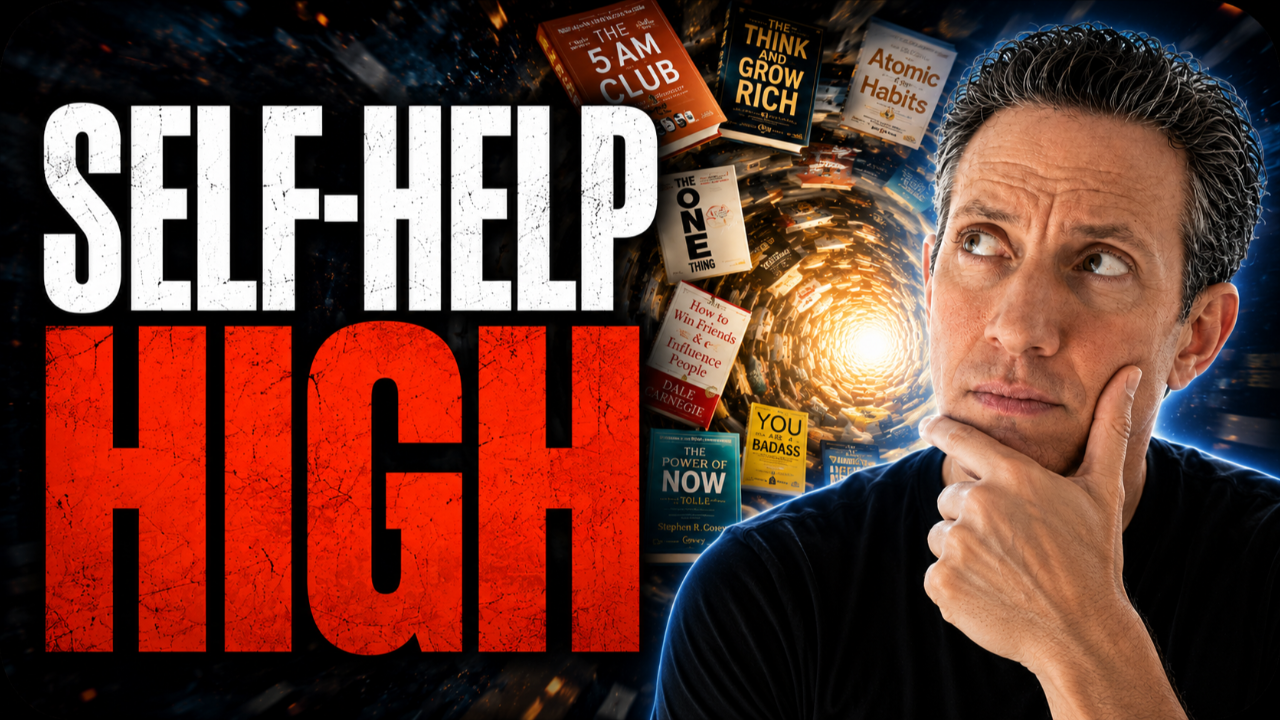
By Ryan Nichols
Self-help can feel powerful.
You read the book, listen to the podcast, watch the video, attend the seminar, and something opens. A pattern finally makes sense. You feel hopeful again. You see a version of yourself that seems clearer, stronger, more grounded.
For a moment, it can feel...
By Ryan Nichols
Key idea: Mental rehearsal can influence emotion, expectation, and behavior, but imagining an outcome does not program destiny. The useful question is what you repeatedly practice internally and how that rehearsal affects what you feel and do next.
Most people think of rehearsal as s...

By Ryan Nichols
Key idea: Insight does not automatically change an old pattern. Habits, expectations, and identity-related behaviors can continue because they have been repeatedly practiced in familiar contexts, even after you consciously decide to change.
Have you ever tried to change your life, fe...
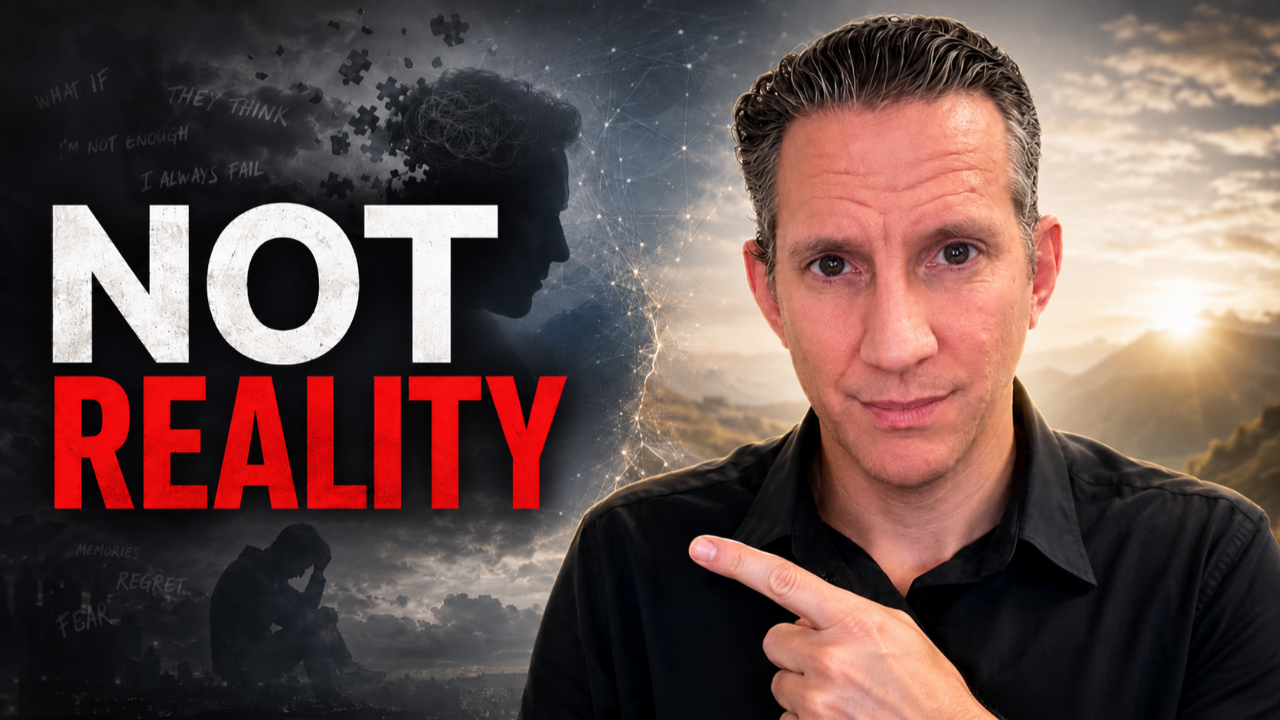
By Ryan Nichols
Key idea: The “story you live inside” is a useful way to describe learned beliefs, expectations, and identity narratives that influence attention and behavior. It is a psychological model, not a claim that one hidden part of the brain literally stores a single life story.
Most people...
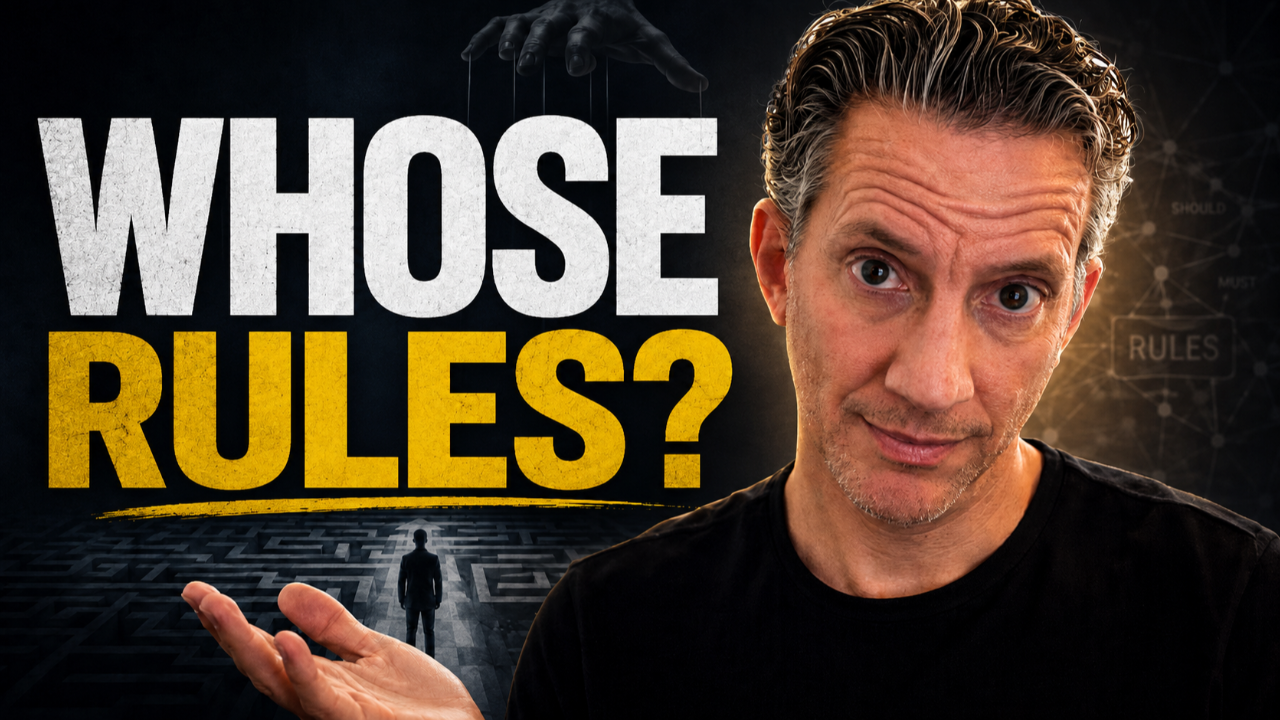
By Ryan Nichols
One of the strange things about personal growth is that we often think we’re fighting our habits, our discipline, our confidence, or our circumstances, when we’re actually fighting old rules.
Not formal rules. Not the kind written down anywhere. I mean the quiet internal rules that s...
By Ryan Nichols
Key idea: Mental imagery can produce real emotional and physiological responses, but imagining a threat is not the same as experiencing the event itself. The useful distinction is that vivid inner simulation can influence how your body feels and how you behave before anything has act...